How We Protect Your Tiny Home During Transport and Delivery
Moving a tiny home is a big deal, and there is a lot happening behind the scenes to make sure it arrives safe, clean, and ready for install. We get a lot of questions about what the transport covers are, why they are there, and what happens once the home is delivered. Here is a simple breakdown.
Interior Protection During Transport
Before a home ever hits the road, the manufacturer secures the interior to prevent movement and vibration damage.
This typically includes:
Straps and tie-downs securing cabinets, furniture, and appliances
Refrigerators and major fixtures locked tightly in place
Zip ties and temporary restraints to prevent shifting during travel
These are strictly for transport and are not permanent parts of the home. Their job is to keep things exactly where they should be while the home is moving.
Roof Protection and Shingle Safeguards
For homes with shingle roofs, additional protection is added during transport.
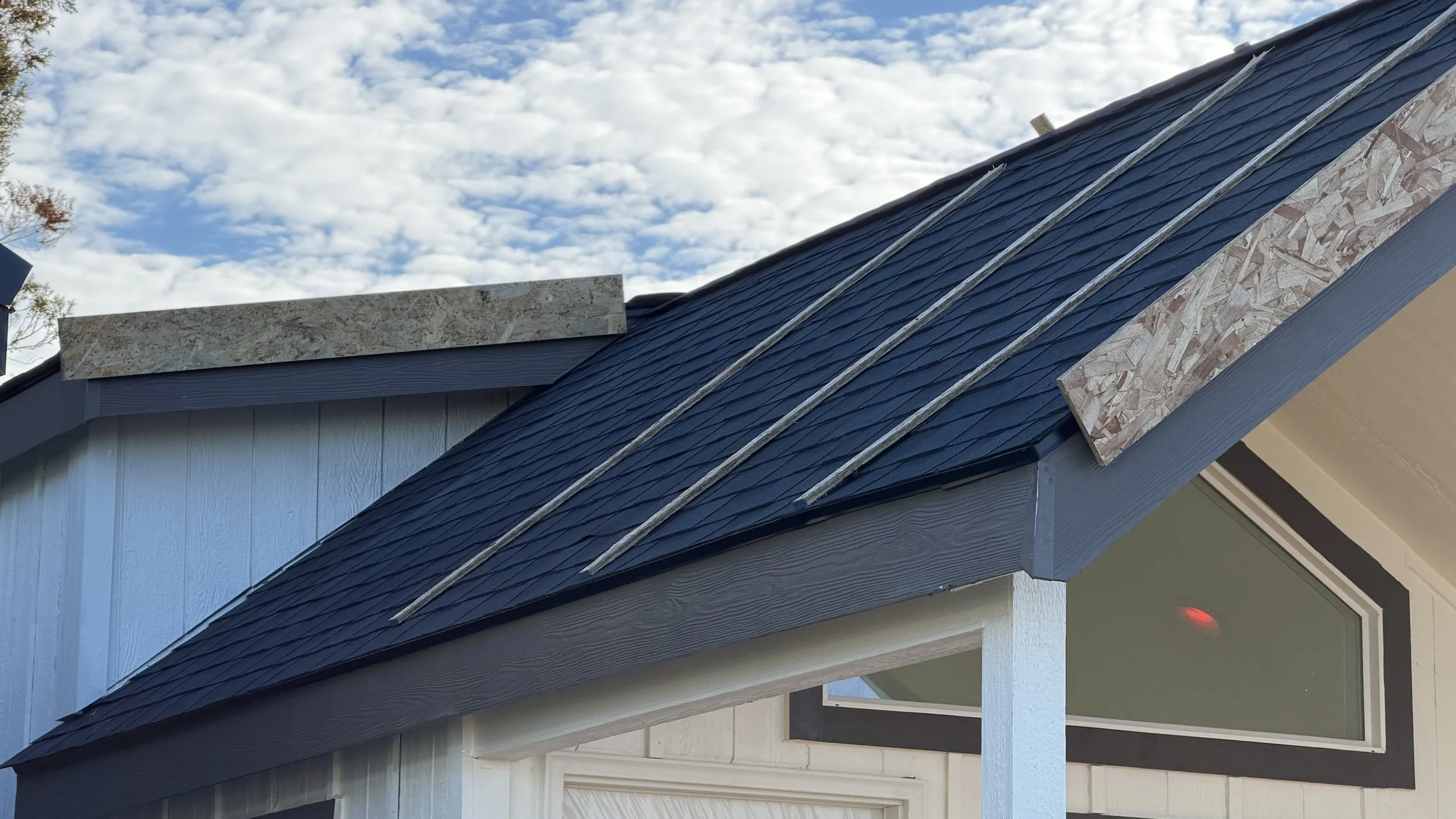
Plywood is installed across key sections of the roof, especially at edges and vulnerable transition points. This helps:
Prevent shingles from lifting due to wind
Reduce the risk of edge damage
Protect against road debris during transport
This plywood is only used on shingle roofs, not metal roofs, and is designed to be temporary protection during delivery.
Floor and Interior Walkway Protection
During delivery and installation, compressed carpet padding is often placed inside the home. This protects flooring in high-traffic walkways while crews are moving in and out and handling setup tasks.
It is another small step that goes a long way in keeping the home clean and damage-free on day one.
What Happens at Delivery
If our team is on-site for delivery, we will do our best to:
Remove interior transport straps and tie-downs
Clean up temporary materials
Discard removed items if you want us to
If we are not on-site, those items may remain in place until you or your installer removes them. Nothing is wrong or unsafe if they are still there, they are just transport-related protections.
Roof Protection Removal and Warranty Visits
For roof-related transport materials, especially plywood used on shingle roofs, this is something the manufacturer’s warranty technician can assist with.
While removing this plywood is generally straightforward with a ladder if you are comfortable and experienced working at heights, roof work always carries real safety risks. Falls can be serious, and every roof setup is different.
Because of that, we strongly recommend having the manufacturer’s warranty technician handle removal when possible. It is the safest option and gives you the added benefit of a professional inspection at the same time.
We always recommend scheduling a warranty visit, even if everything looks great. A warranty visit gives you:
A second set of eyes from the manufacturer
A chance to catch small issues early
Professional removal or review of any remaining transport protections
This is especially important when we are not able to be on-site for delivery.
Bottom Line
All of these transport protections exist for one reason: getting your tiny home to you safely. They are temporary, intentional, and part of the process of moving a high-quality home down the road.
If you ever have questions about what you are seeing at delivery or what should be removed and when, just ask. We are always happy to help you through it.